- English
- Español
- Português
- русский
- Français
- 日本語
- Deutsch
- tiếng Việt
- Italiano
- Nederlands
- ภาษาไทย
- Polski
- 한국어
- Svenska
- magyar
- Malay
- বাংলা ভাষার
- Dansk
- Suomi
- हिन्दी
- Pilipino
- Türkçe
- Gaeilge
- العربية
- Indonesia
- Norsk
- تمل
- český
- ελληνικά
- український
- Javanese
- فارسی
- தமிழ்
- తెలుగు
- नेपाली
- Burmese
- български
- ລາວ
- Latine
- Қазақша
- Euskal
- Azərbaycan
- Slovenský jazyk
- Македонски
- Lietuvos
- Eesti Keel
- Română
- Slovenski
- मराठी
- Srpski језик
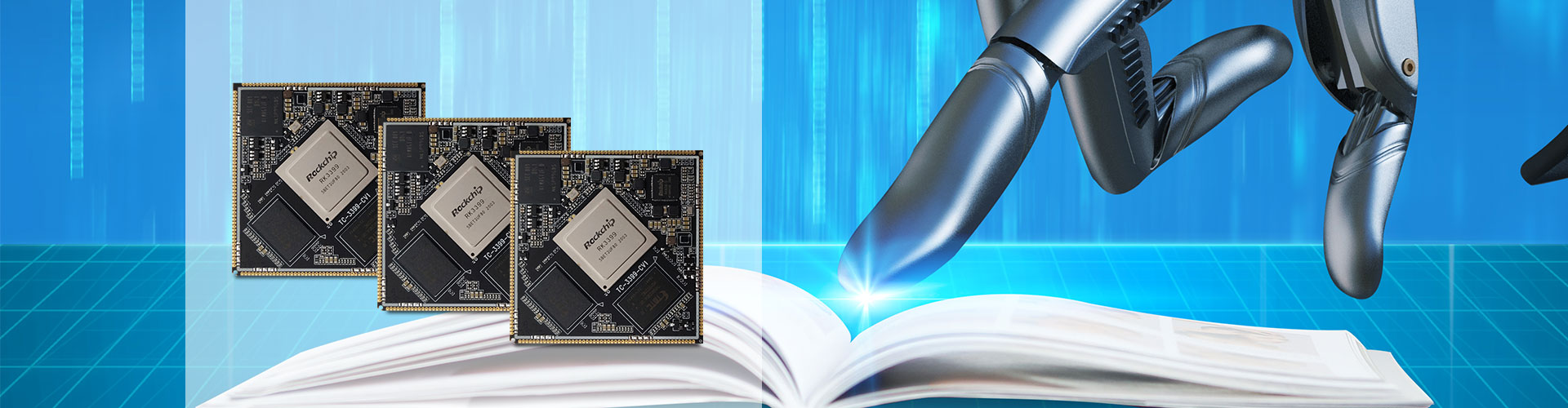
Raspberry Pi 4 Alternatives: Balanced, Practical & Cost-Effective RK3566/RK3568 SBCs
Since its launch in 2019, the Raspberry Pi 4 has achieved tremendous success both globally and in the Chinese market, with its market performance and ecological influence far surpassing those of competing products.
However, starting from October 2021, supply shortages and price premiums for the Raspberry Pi 4B emerged, leading many to seek suitable alternatives. Among the more popular options are solutions based on the Rockchip RK3399. The Rockchip RK3399 features: 2× Cortex-A72 + 4× Cortex-A53, meaning its big-core performance is on par with the Raspberry Pi 4, and its overall performance is competitive. Additionally, the RK3399 was once Rockchip's flagship chip
Nevertheless, this article does not aim to compare the advantages and disadvantages between RK3399-based motherboards and the Raspberry Pi 4. Instead, we focus on Raspberry Pi alternatives powered by Rockchip's RK3566 and RK3568 chips.
Both the RK3566 and RK3568 are 22nm embedded processors introduced by Rockchip, with the primary goal of replacing and upgrading the earlier RK3399. They have become the core of mainstream mid-range applications and are now the main contenders in the domestic development board market, positioning themselves as alternatives to and competitors of the Raspberry Pi 4.
Below is a comparison of the core specifications between the two chips.
| Character | RK3566 | RK3568 |
| Market positioning | Consumer-oriented | Industrial-oriented |
| CPU | Quad-core ARM Cortex-A55 @ up to 1.8 GHz | Quad-core ARM Cortex-A55 @ up to 2.0 GHz |
| GPU | ARM Mali-G52 2EE | |
| NPU | 0.8 TOPS | |
| Video Encoding and Decoding | Decode: 4K@60fps H.265/H.264Encode: 1080p@60fps H.265/H.264 | Decode: 4K@60fps H.265/H.264Encode: 4K@60fps H.265/H.264 |
| Display port | 1x HDMI 2.0 (up to 4K@60), 1x LVDS / Dual-Channel MIPI-DSI, 1x eDP 1.3 | 2x HDMI 2.0 (up to dual-screen 4K@60), 1x LVDS/ dual-channel MIPI-DSI, 1x eDP 1.3 |
| Ethernet | Integrated Gigabit Ethernet MAC (requires external PHY chip) | Integrated Dual Gigabit Ethernet MAC (requires external PHY chip) |
| Memory Support | DDR3/DDR3L/LPDDR3/LPDDR4/LPDDR4X(High-end boards often use LPDDR4X.) | DDR3/DDR3L/LPDDR3/LPDDR4/LPDDR4X(High-end boards often use LPDDR4X.) |
| TypicalApplication | Single-board computer, entry-level tablet/box, educational development board, smart home central controller, digital signage player | Lightweight server, industrial IoT gateway, network video recorder (NVR), high-end development board, commercial display, multi-port software router |
Between the two, the RK3568 holds a greater advantage:
1. The RK3568 is equipped with a more powerful video encoder, support 4K real-time encoding, which serves as its core advantage for commercial applications such as NVRs and video conferencing.
2. RK3568 supports dual HDMI Independent display which makes it more suitable for the application of Digital Signage and multi-screen Applications
3. RK3568 natively supports dual ethernet ports, making it an ideal choice for software routers, gateways and industrial control devices.
Based on the parameter characteristics of the 2 chips, we will compare the advantages and disadvantages between the Raspberry Pi 4 and the RK3566/RK3568.
| Raspberry Pi 4 | RK3666/ RK3568 | |
| CPU | 4× Cortex-A72 @ 1.5/1.8GHz | 4× Cortex-A55 @ 1.8/2.0GHz |
| Key interfaces | USB 3.0 x2, 千兆网口 x1 | USB 3.0 x2, optional dual Gigabit Ethernet ports (for RK3568), and native PCIe 2.1/3.0 |
| Video Encoding | 1080p H.264 | 4K H.265/H.264 |
| Pricing | After supply resumes, its cost-effectiveness becomes mediocre. | Boards with the same configuration typically offer a 20%-30% price advantage. |
As can be seen from the table:
1. The Raspberry Pi's A72 CPU is more powerful. However, the RK3566/RK3568's quad A55 configuration offers better overall balance. The real-world user experience is comparable.
2. In terms of key interfaces, the RK3568 offers greater expandability and can directly connect to high-speed storage and networking devices.
3. Regarding video encoding, the RK3568 holds a significant advantage in commercial application scenarios.
4. RK3566/RK3568-based boards offer better cost-performance.
Rockchip chips typically offer robust support for the mainline Linux kernel, Ubuntu, and Debian, with the community-maintained Armbian system also gaining widespread popularity.
However, the Raspberry Pi's ecosystem and community remain unparalleled. It boasts a vast array of "out-of-the-box" tutorials and preconfigured software—this constitutes the biggest gap between domestic chips and the Raspberry Pi.
Therefore, if you need to choose a suitable alternative to the Raspberry Pi, you may refer to the following summary and recommendations:
l ‘’I only require basic Linux functionality, with cost-effectiveness as the priority‘’→ RK3566
l ‘I want a Raspberry Pi alternative with more comprehensive interfaces and better cost-effectiveness’ → RK3568 is the top recommendation.
l "I primarily work on software routing/network devices" → Prioritize the dual-Ethernet port models based on the RK3568.
Thinkcore Technology currently has developed 6 RK3566/ RK3568 SBCs. Among them
Among them, two RK3566-based SBCs are similar to the Raspberry Pi in terms of size and performance, while the other two RK3568-based SBCs offer more comprehensive interfaces and a higher performance-to-cost ratio.
The following are the specifications of these 4 boards.
TP-1 RK3566 SBC Parameters
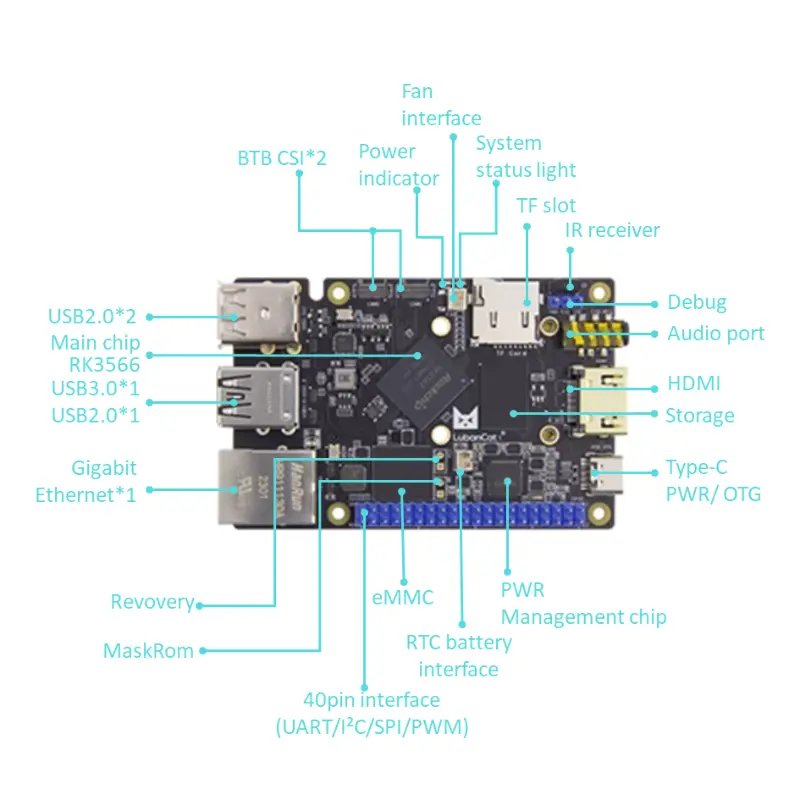
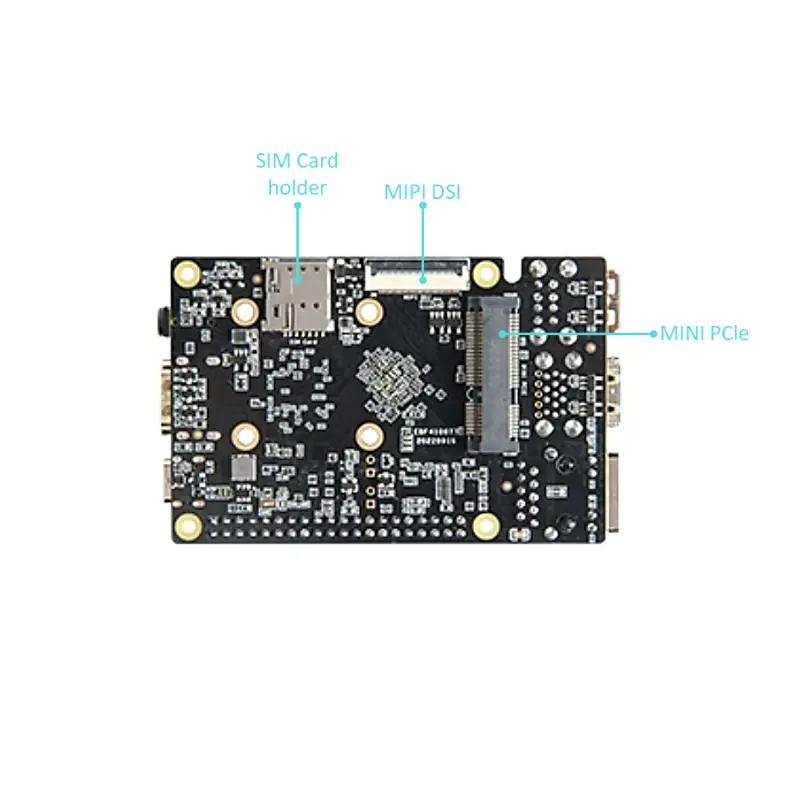
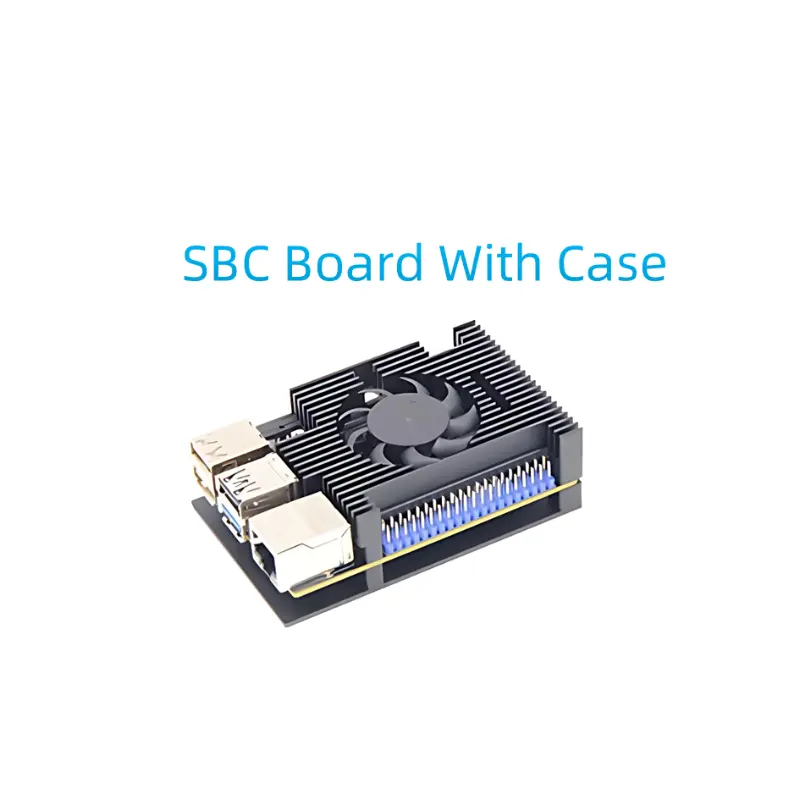
TP-1N RK3566 SBC
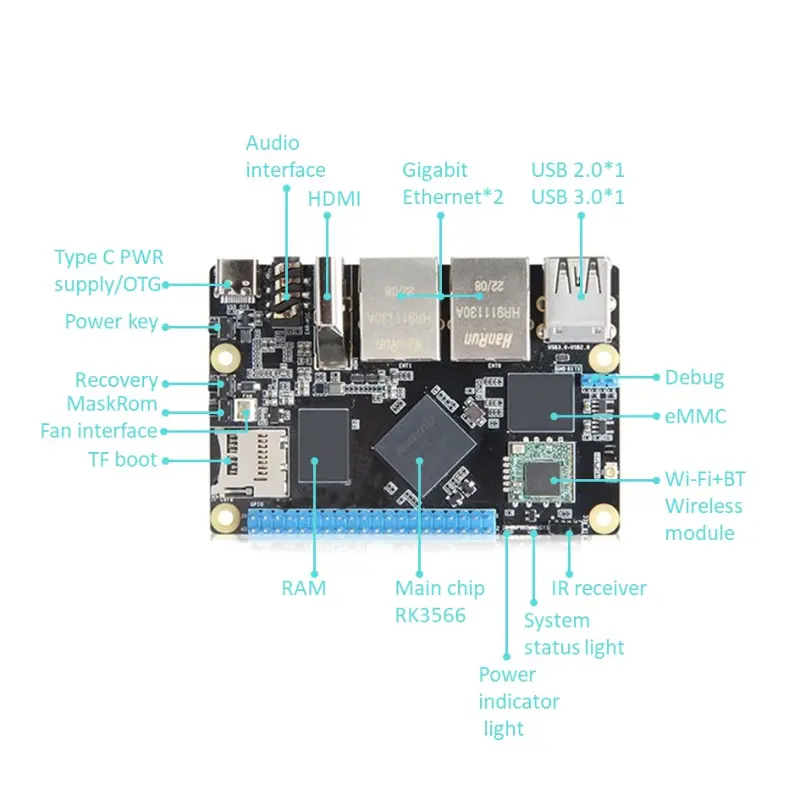
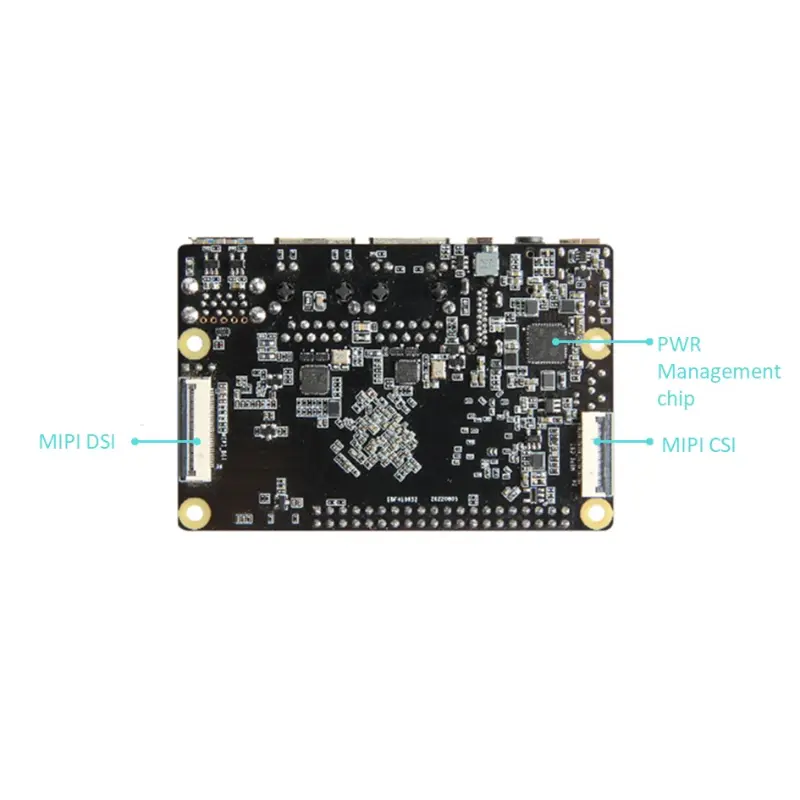
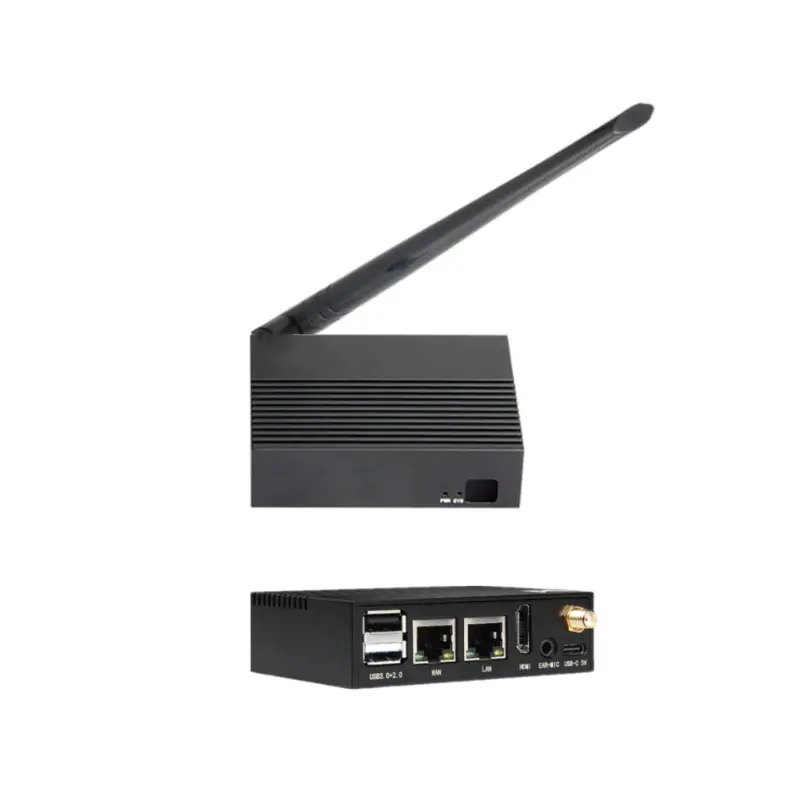
TP-2 RK3568 SBC
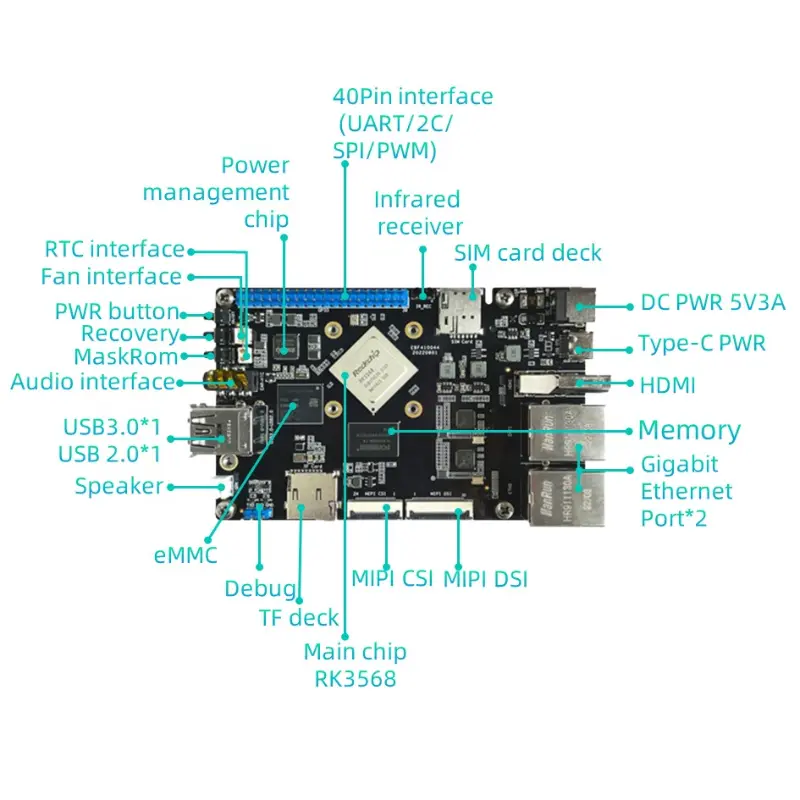
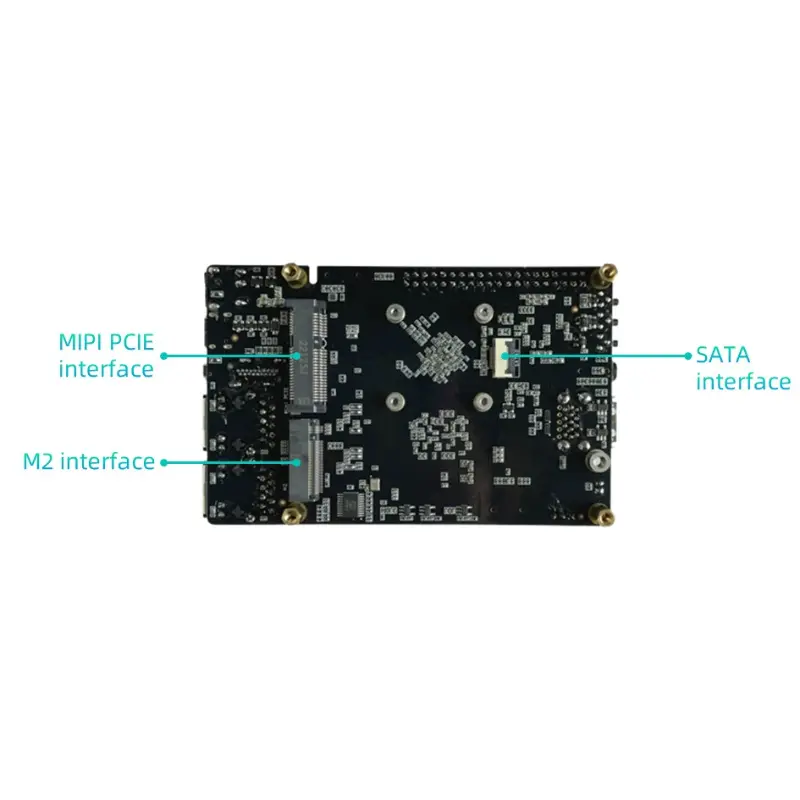
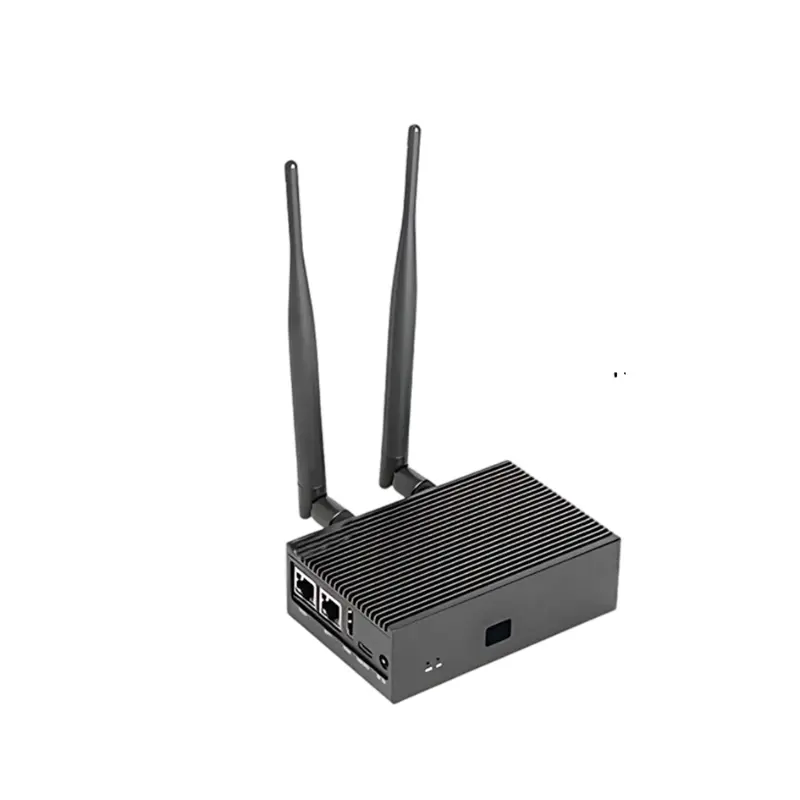
TP-2N RK3568 SBC
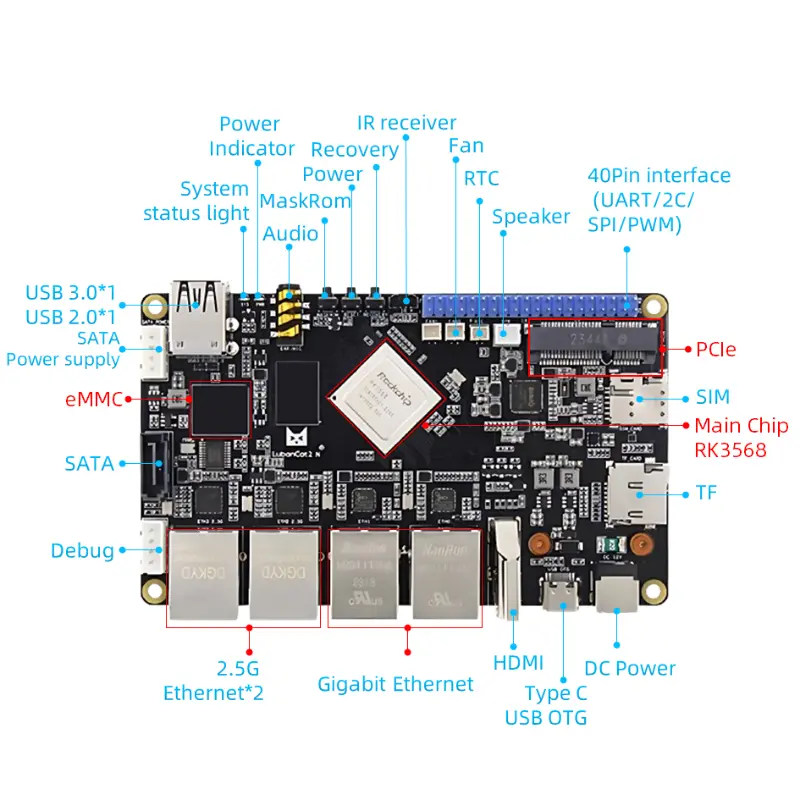
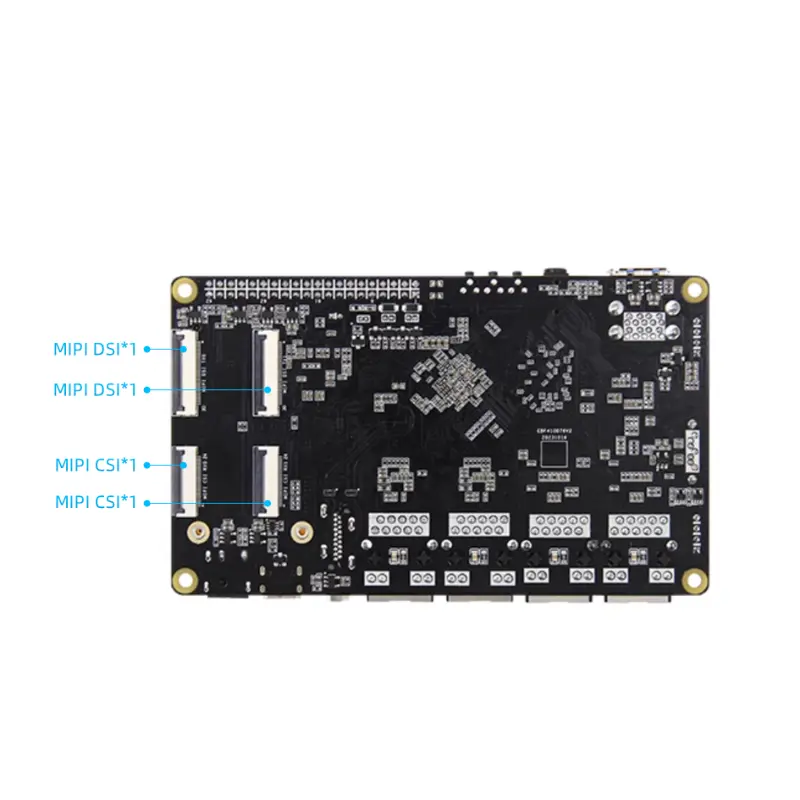
For beginners, educators, and developers who prioritize stability and a quick learning curve, the Raspberry Pi remains the optimal choice due to its exceptionally low time investment cost.
For seasoned tech enthusiasts and users with specific functional requirements—such as the need for multiple Ethernet ports or PCIe connectivity—domestic (China-designed chip) alternatives offer attractive solutions. However, these options often demand additional development time and adaptation effort.
Additionally, we provide customization services to design and produce tailored boards that meet specific client needs.
Contact us for more information and services!