- English
- Español
- Português
- русский
- Français
- 日本語
- Deutsch
- tiếng Việt
- Italiano
- Nederlands
- ภาษาไทย
- Polski
- 한국어
- Svenska
- magyar
- Malay
- বাংলা ভাষার
- Dansk
- Suomi
- हिन्दी
- Pilipino
- Türkçe
- Gaeilge
- العربية
- Indonesia
- Norsk
- تمل
- český
- ελληνικά
- український
- Javanese
- فارسی
- தமிழ்
- తెలుగు
- नेपाली
- Burmese
- български
- ລາວ
- Latine
- Қазақша
- Euskal
- Azərbaycan
- Slovenský jazyk
- Македонски
- Lietuvos
- Eesti Keel
- Română
- Slovenski
- मराठी
- Srpski језик
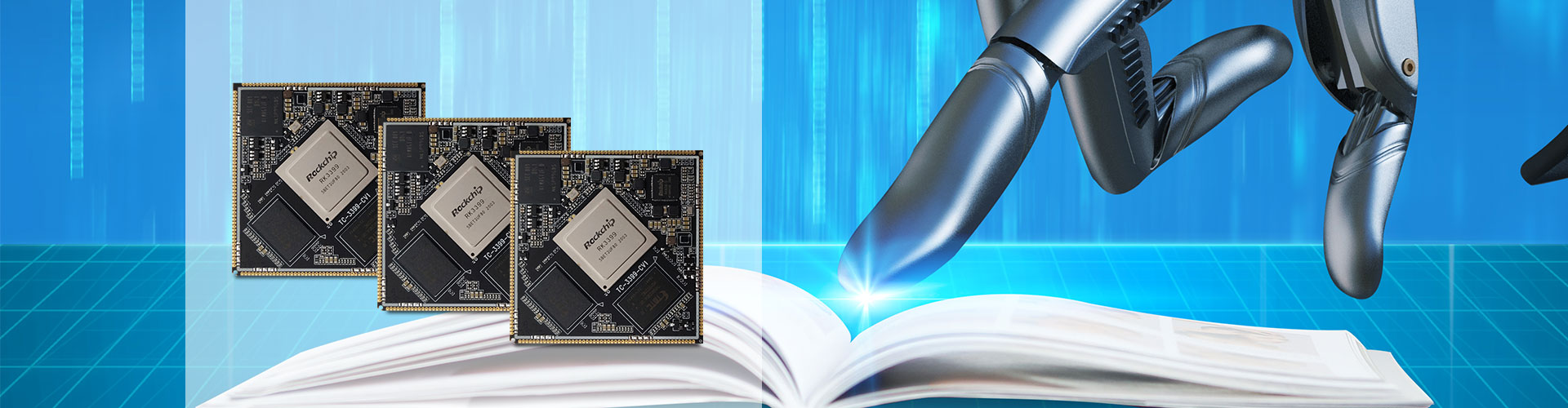
How Does a Core Board Accelerate Embedded System Development?
Article Summary
A core board is the heart of many embedded systems, integrating critical components such as processors, memory, and power management into a compact and reliable module. This article provides a comprehensive explanation of how a core board works, why it is essential in modern embedded design, and how it helps businesses reduce development risks, shorten time-to-market, and improve product stability. By addressing common customer pain points and offering practical selection guidance, this guide helps engineers, product managers, and decision-makers make informed choices.
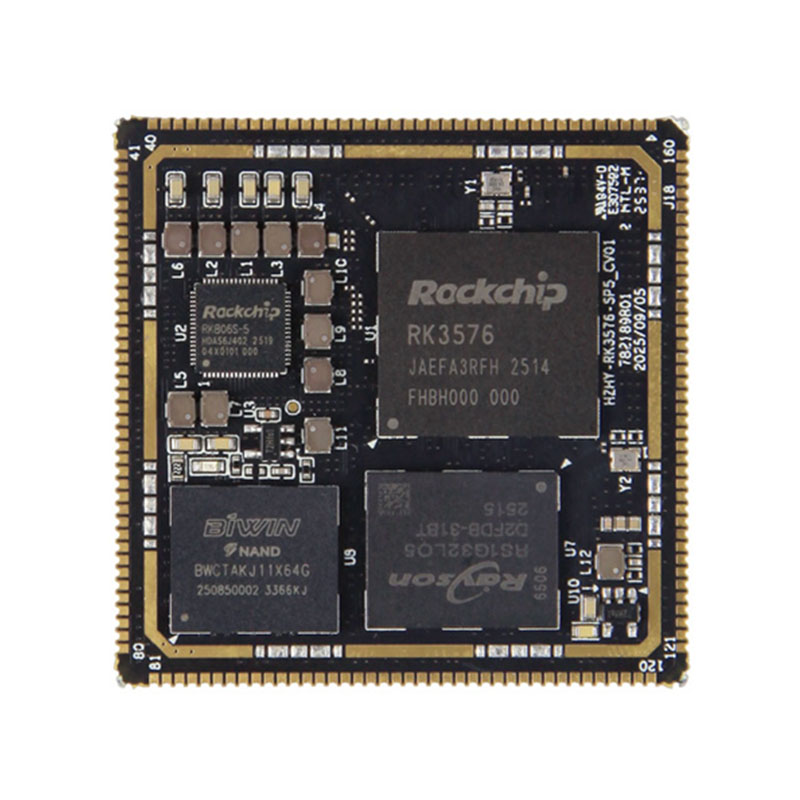
Table of Contents
- Core Board Overview
- Key Customer Pain Points
- Core Board Architecture
- How a Core Board Solves Development Challenges
- How to Choose the Right Core Board
- Core Board vs Traditional Design
- Typical Application Scenarios
- Reliability and Quality Considerations
- Frequently Asked Questions
- Conclusion and Contact Us
Core Board Overview
A core board, sometimes referred to as a system-on-module, is a compact circuit board that integrates the most critical components of an embedded system. These components typically include the main processor, RAM, flash storage, clock circuits, and power management units. By concentrating these complex elements into a single module, a core board provides a stable and reusable foundation for product development.
Instead of designing a complete system from scratch, engineers can focus on application-specific functions by pairing a core board with a custom baseboard. Thinkcore designs core board solutions that balance performance, scalability, and long-term availability, helping customers build reliable embedded products efficiently.
Key Customer Pain Points
Developing embedded systems without a core board often exposes teams to recurring challenges that increase costs and delay product launches.
- Long development cycles due to complex hardware design
- High risk of signal integrity and power stability issues
- Difficulty maintaining consistency across product generations
- Limited engineering resources for processor-level debugging
- Uncertainty around component lifecycle and supply stability
These pain points make it difficult for companies to scale production or respond quickly to market demands.
Core Board Architecture
A typical core board architecture is designed to isolate complexity while maintaining flexibility. The processor and memory are placed close together to optimize signal routing and reduce electromagnetic interference. Standardized connectors expose essential interfaces such as GPIO, UART, SPI, I2C, USB, Ethernet, and display signals.
By standardizing the core architecture, a core board allows multiple products to share the same computing platform. Thinkcore core boards are engineered with careful attention to layout, thermal performance, and power efficiency, ensuring stable operation in demanding environments.
How a Core Board Solves Development Challenges
Using a core board directly addresses many of the challenges faced in embedded system development.
- Reduced Design Complexity: Critical high-speed circuits are pre-validated.
- Shorter Time-to-Market: Development focuses on application logic rather than low-level hardware.
- Improved Reliability: Proven designs reduce field failure rates.
- Scalability: The same core board can support multiple product variants.
- Lower Engineering Risk: Processor-level issues are already resolved.
These benefits make a core board an effective solution for both startups and established manufacturers.
How to Choose the Right Core Board
Selecting a suitable core board requires a structured evaluation of technical and commercial factors.
- Processor performance and architecture compatibility
- Memory capacity and expansion capability
- Interface availability and pin multiplexing
- Operating temperature range and power consumption
- Software support, documentation, and reference designs
- Supplier stability and long-term product availability
Thinkcore provides detailed documentation and technical support to help customers select a core board that aligns with both current requirements and future expansion plans.
Core Board vs Traditional Design
| Aspect | Core Board Approach | Traditional Full Custom Design |
|---|---|---|
| Development Time | Shorter, modular development | Longer, full hardware design cycle |
| Technical Risk | Lower due to validated design | Higher, especially for high-speed signals |
| Scalability | Easy reuse across products | Limited reuse |
| Upfront Cost | Predictable and controlled | Higher engineering investment |
Typical Application Scenarios
Core boards are widely used across industries where reliability and development efficiency are critical.
- Industrial automation and control systems
- Medical and healthcare equipment
- Smart devices and edge computing
- Robotics and machine vision
- Communication and networking equipment
By using a standardized core board, companies can rapidly adapt to different application requirements without redesigning the entire system.
Reliability and Quality Considerations
Reliability is a key factor when choosing a core board supplier. Important considerations include component sourcing, manufacturing quality, and testing procedures.
Thinkcore implements strict quality control processes, including functional testing, thermal validation, and long-term stability verification. These measures ensure that each core board delivers consistent performance throughout its lifecycle.
Frequently Asked Questions
What is the main purpose of a core board?
A core board simplifies embedded system development by integrating critical components into a validated module.
Can a core board be customized?
Yes. While the core board itself is standardized, the baseboard can be fully customized for specific applications.
Is a core board suitable for mass production?
Absolutely. Core boards are designed for both prototyping and large-scale manufacturing.
How does a core board affect long-term maintenance?
Using a stable core board platform simplifies future upgrades and product maintenance.
Conclusion and Contact Us
A core board is a strategic foundation for efficient and reliable embedded system development. By reducing complexity, minimizing risk, and enabling scalability, it allows businesses to focus on innovation rather than hardware challenges. Choosing the right partner is essential to fully realize these advantages.
Thinkcore is dedicated to delivering high-quality core board solutions that support long-term success across diverse industries. If you are planning a new embedded project or looking to optimize your existing design, contact us today to learn how Thinkcore can help you move from concept to production with confidence.
Previous:Spring Festival Holiday Notice